- Table Stakes
- Posts
- Table Stakes - November 24th
Table Stakes - November 24th

Atlas News
November 24, 2025
Good morning everyone,
I’m Atlas, and welcome to Table Stakes!
Here’s a look at today’s topics:
Israel: Airstrike Takes Out Senior Hezbollah Official
U.S. Sues For Peace In Geneva
American Lawmakers Push For Chinese Chip Ban
Israel: Airstrike Takes Out Senior Hezbollah Official
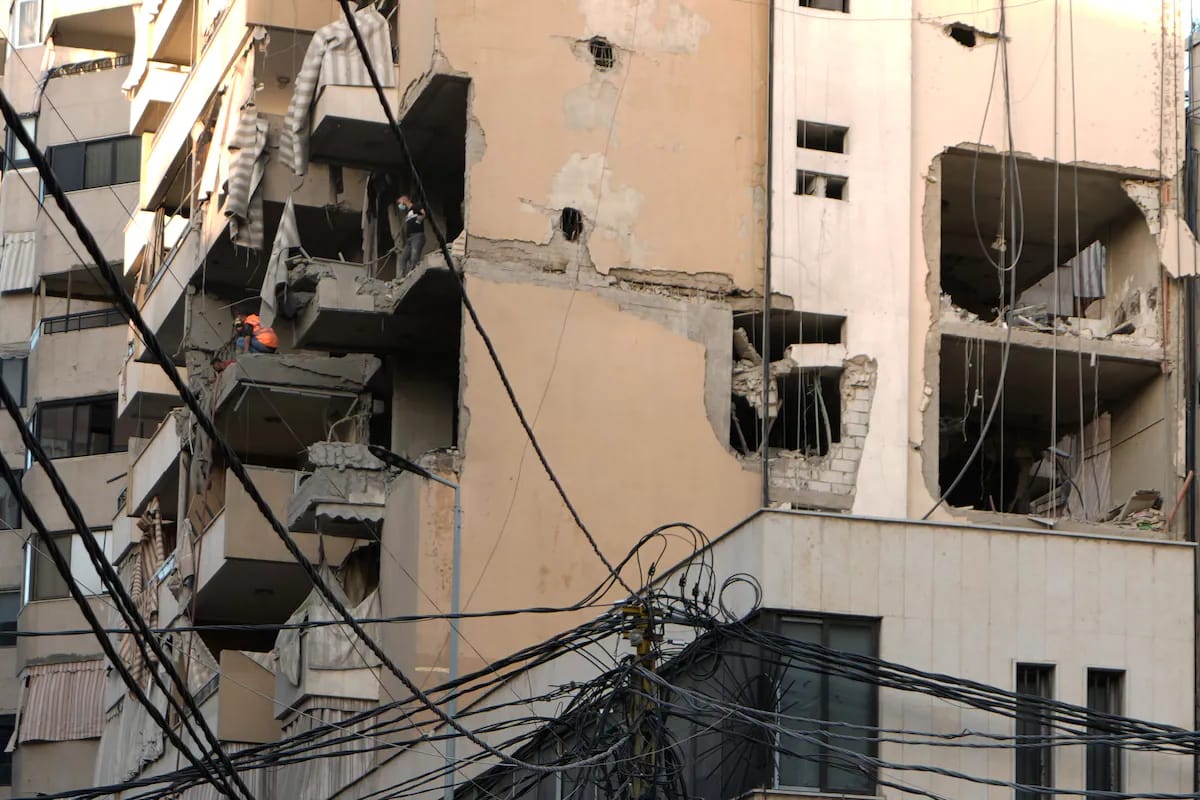
Israeli airstrike on Dahiyeh in the southern suburb of Beirut, Sunday Nov. 23, 2025. (Bilal Hussein - AP)
By: Atlas
Israel carried out an airstrike in Beirut yesterday, targeting and killing Hezbollah’s chief of staff, Haytham (Ali) Tabtabai, according to Israeli officials. The strike marked Israel’s first attack on the Lebanese capital in months and immediately drew regional and international attention as Lebanese authorities warned of potential escalation. Hezbollah confirmed Tabtabai’s death, while Lebanese officials reported additional casualties and significant damage in Beirut’s southern suburbs.
The operation was launched in the Haret Hreik district, an area long identified with Hezbollah’s command structure. Israel described the strike as a preventive action aimed at blocking the group from rebuilding its military capabilities after last year’s war. Lebanese officials said the attack killed at least five people and wounded more than two dozen.
Details of the strike
The Israeli military said the airstrike targeted an apartment unit believed to be used by Tabtabai, who had risen to the role of Hezbollah’s chief of staff following the deaths of successive senior commanders during the 2023–2024 conflict. Israeli officials stated that he had overseen Hezbollah’s larger effort to rearm and reorganize its military units, which Israel argued violated the terms of the November 2024 ceasefire.
According to Lebanon’s Health Ministry, five people were killed in the attack and at least 25–28 others wounded. Emergency personnel reported structural damage on the third and fourth floors of a residential building, with nearby vehicles and storefronts also affected. Witnesses said no evacuation warning was issued before the strike, which Israeli officials did not dispute.
Local media showed crowds gathering around the site as civil defense crews worked to clear rubble and extract survivors. Several residents said they heard multiple explosions, while others reported gunfire and drones overhead. Lebanese security personnel cordoned off the area shortly after the blast.
Hezbollah’s initial statements noted that a “high-ranking militant” had been targeted but withheld confirmation until later in the day. After verification, the group announced Tabtabai’s death and stated that its leadership was evaluating how to respond, calling the strike a “crossing of a red line.”
Profiles and historical context
Tabtabai had been a central figure in Hezbollah’s military structure for decades, according to both Israeli and Lebanese sources. He had commanded the Radwan Unit — an elite formation within Hezbollah — and had held posts in Syria and Yemen during prior conflicts. The United States sanctioned him in 2016 and offered a reward for information on his activities, citing his role in directing special operations.
His rise accelerated after a series of Israeli strikes between 2023 and 2024 killed multiple senior Hezbollah commanders, including longtime leader Hassan Nasrallah and military officials such as Ibrahim Aqil. Tabtabai became chief of staff after the 2024 ceasefire and was tasked with rebuilding the group’s operational capabilities. Israeli leaders argued that this rebuilding effort violated understandings brokered by the United States and reinforced through international mechanisms.
Israel said the decision to strike Tabtabai stemmed from increased Hezbollah military activity in southern Lebanon and reports that the group was reconstituting missile and rocket infrastructure. Israeli Defense Minister Israel Katz said the military would continue to “act forcefully” to prevent a renewed threat from Hezbollah along the northern border.
Lebanon’s reaction and accusations of ceasefire violations
Lebanese President Joseph Aoun condemned the strike, saying Israel had violated the year-old ceasefire agreement and had ignored repeated Lebanese initiatives to stabilize the border. He urged the international community to step in and enforce the terms of the accord, including Israel’s withdrawal from several contested positions in the south.
Hezbollah officials at the scene insisted the targeted location was a civilian area and denied Israeli assertions that military infrastructure was present. Lebanese authorities similarly rejected claims of Hezbollah rearmament, saying the government had committed to disarming non-state groups and had already approved a military deployment plan for southern Lebanon.
However, Israeli officials countered that Hezbollah had maintained weapons stockpiles, rebuilt operational networks, and positioned senior commanders near civilian structures. They argued that failure to act could allow Hezbollah to restore its pre-war rocket arsenal. According to Israeli security assessments cited in local media, Hezbollah still possesses tens of thousands of rockets despite the losses of the 2023–2024 conflict.
Lebanese officials warned that the strike could trigger wider instability, especially given its timing—just days before a planned visit to Lebanon by Pope Leo XIV. The attack occurred as Lebanon was marking its independence anniversary and facing pressure from both Israel and the United States to enforce demilitarization measures.
Regional implications and next steps
The Beirut strike was the first attack on the capital since June and came amid a period of heightened tension along the border. Earlier in the week, Israeli strikes in southern Lebanon killed more than a dozen people in a refugee camp near Sidon, the deadliest attack since the ceasefire. Israeli officials said the camp strike targeted Hamas infrastructure, which Hamas denied.
This week’s events follow nearly two years of intermittent clashes since Hezbollah opened fire on Israel on October 8, 2023, a day after Hamas’s attack in southern Israel. The conflict that followed killed thousands in Lebanon and led to a major Israeli campaign that included airstrikes and a ground invasion. The U.S.-brokered November 2024 ceasefire halted the fighting, but cross-border incidents and Israeli airstrikes have persisted.
Following Sunday’s strike, Israeli officials said they did not expect immediate retaliation but acknowledged that Hezbollah could respond at a time of its choosing. Analysts noted that Hezbollah often calibrates its reactions to avoid uncontrollable escalation while still signaling deterrence. Lebanese leaders warned that further Israeli action could widen the conflict across the country.
A U.S. official told Axios that Washington was not notified before the strike but was informed directly afterward. Another official said the U.S. had anticipated escalation in Lebanon but did not know specifics. The White House has urged both sides to maintain the ceasefire framework.
For now, the implications of Tabtabai’s death remain uncertain. It removes one of Hezbollah’s most senior military figures, but it also risks a new cycle of retaliation and counter-retaliation in an already fragile region. Lebanese officials reiterated calls for renewed diplomacy, while Israeli leaders stressed they would continue targeting what they described as threats to national security.
The coming weeks will determine whether yesterday’s strike becomes an isolated episode or the beginning of a broader shift in the Lebanon-Israel dynamic.

Subscribe to Table Stakes to read the rest.
Every Monday Morning, get a recap of the week’s events from countries on the main stage. Featuring news & analysis into new policy, military affairs, and international relations on the worlds stage.
Already a paying subscriber? Sign In.
A subscription gets you:
- • Lifetime Rizz
Reply